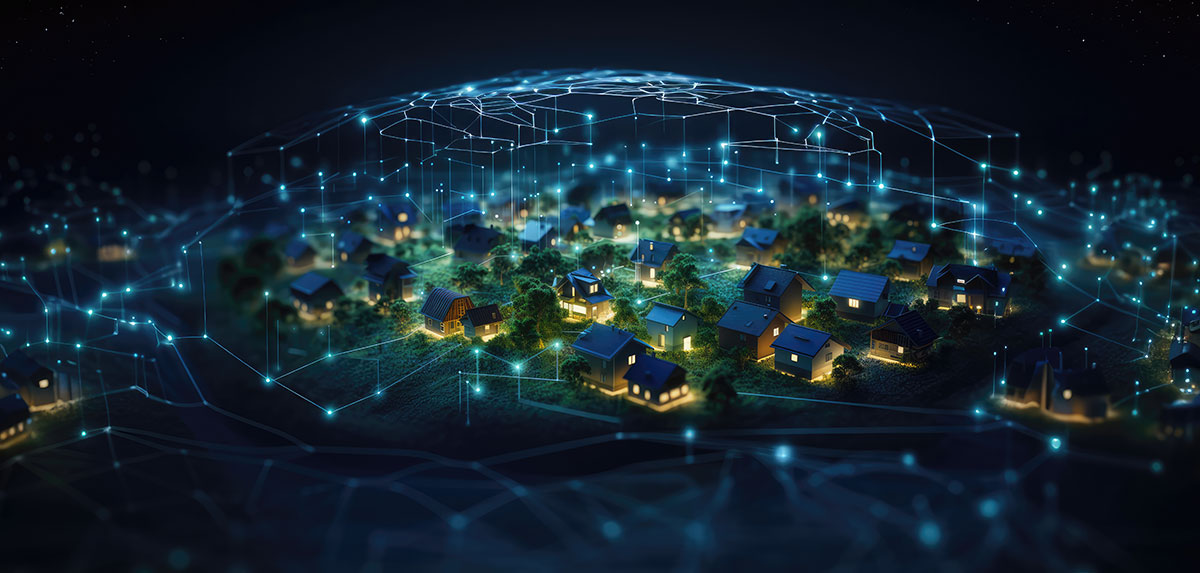
Over the years, I have witnessed firsthand how the concept of home has evolved. Today, living spaces are no longer just places to sleep and eat. People expect more from their residences. They want convenience, safety, efficiency, and a sense of community. Smart residential communities have emerged to meet these needs, combining technology, connectivity, and thoughtful design to create a new standard of modern living. This is a shift that is reshaping the way we think about residential development and real estate investment.
Smart communities integrate digital systems and physical infrastructure in ways that improve everyday life. From energy management to security, from health monitoring to connectivity, these technologies are transforming homes into more responsive and efficient environments. For developers and investors, this presents a tremendous opportunity to create value while enhancing quality of life for residents.
The Core Features of Smart Communities
A smart residential community goes beyond individual smart homes. It is a networked ecosystem where technology enhances every aspect of living. One key element is connectivity. High speed internet and integrated communication systems allow residents to stay connected with work, family, and local services seamlessly. In an increasingly remote world, this level of connectivity has become essential.
Another critical feature is automation. Lighting, climate control, and security systems can now be controlled remotely or programmed to respond automatically to residents’ needs. This not only increases convenience but also improves energy efficiency and lowers operating costs. Smart parking, automated waste management, and app based maintenance requests further enhance the living experience, making everyday life simpler and more efficient.
Security and safety are also central to smart community design. Video surveillance, access control systems, and real time alerts create a safer environment for residents. In many communities, emergency systems are integrated with local authorities to ensure rapid response when needed. These measures build trust and confidence, which are invaluable for both residents and property investors.
Sustainability and Efficiency
One of the most exciting aspects of smart residential communities is their ability to promote sustainability. Energy management systems allow communities to monitor and optimize electricity and water use. Solar panels, smart grids, and efficient HVAC systems reduce environmental impact while lowering costs. Developers can use data analytics to track usage patterns and make improvements that enhance both comfort and sustainability.
Green spaces and communal areas also play a role in sustainable design. Smart communities often include parks, gardens, and recreational facilities that encourage outdoor activity and strengthen social connections. By blending technology with thoughtful urban planning, these communities are designed to be resilient, adaptable, and environmentally responsible.
Enhancing Community and Lifestyle
Technology in smart communities is not just about convenience. It is about creating experiences and connections. Mobile apps allow residents to book shared amenities, organize events, and communicate with neighbors. Some communities even incorporate fitness tracking, health monitoring, and wellness programs that encourage a healthier lifestyle.
These features foster a sense of belonging. People are drawn to neighborhoods where they feel connected to their surroundings and to each other. From my perspective, this social element is just as important as the technological one. A property that encourages engagement and interaction retains value longer and attracts a diverse, committed community of residents.
Investment Opportunities in Smart Communities
For investors, smart residential communities represent a compelling opportunity. Properties equipped with advanced technology tend to command higher premiums and attract long term tenants. They also demonstrate resilience to shifting market demands. Buyers increasingly seek homes that offer convenience, safety, and efficiency, and communities that can deliver on these expectations are in high demand.
Early adoption of smart infrastructure is another advantage. Developers who integrate technology from the outset avoid costly retrofits and can differentiate their projects in competitive markets. These communities also provide measurable data that can be used to optimize operations, enhance services, and improve financial performance.
Challenges and Considerations
Despite their potential, smart communities require careful planning. Developers must ensure that systems are reliable, user friendly, and secure. Overly complex technology can overwhelm residents and reduce adoption rates. Integration across different platforms is critical, and ongoing maintenance is essential to preserve functionality and value.
Privacy and data security are also important considerations. Residents must feel confident that their personal information is protected. Developers and investors should work closely with technology providers to establish robust security protocols and transparent data policies.
The Future of Smart Residential Communities
Looking ahead, the potential for smart residential communities is vast. As technology continues to advance, these communities will become more interconnected, responsive, and intuitive. Artificial intelligence, predictive analytics, and IoT devices will enhance everything from energy management to lifestyle services.
In my experience, successful smart communities are those that balance technology with human needs. They are not simply collections of gadgets and sensors. They are carefully designed environments that prioritize comfort, sustainability, and connection. By understanding what residents value most and integrating technology in a meaningful way, developers can create communities that stand out in a crowded market and deliver long term value.
Smart residential communities are redefining what it means to live well. They offer safety, convenience, sustainability, and a stronger sense of belonging. For developers, investors, and residents alike, embracing this trend is not just an option. It is a pathway to a more connected, efficient, and vibrant future in real estate.